Introduction: The New Age of Blogging with AI Tools for Blogging
If you’re still writing, editing, and optimizing every blog post manually — you’re working too hard.
In 2025, AI Tools for Blogging have evolved from nice-to-have gadgets to must-have partners in content creation. Whether you’re running a solo WordPress blog or managing a full-fledged content team, these tools can help you generate ideas, write faster, optimize SEO, and analyze performance — all while maintaining your unique voice.
But here’s the catch: not every AI-Powered Blogging Tools delivers real results. Many overpromise automation but underdeliver creativity. That’s why we’ve handpicked the 10 best AI tools for bloggers in 2025, backed by user experience, credible reviews, and real-world impact.
1. ChatGPT (By OpenAI) in AI Tools for Blogging

Best For: Content ideation, drafting, and refining blog posts
No surprise here — ChatGPT continues to dominate in 2025. The new GPT-5 version offers advanced context understanding and long-form content optimization. It’s like having a 24/7 writing assistant who can generate outlines, research topics, or even draft SEO-friendly articles from scratch.
How to Use:
- Use prompts like “Write a 1200-word SEO blog post on AI marketing trends” for quick drafts.
- Ask it to refine tone, add statistics, or suggest meta descriptions.
- Integrate ChatGPT with tools like Notion AI or WordPress plugins for seamless workflow.
Pro Tip: Combine ChatGPT’s creativity with Grammarly or SurferSEO for maximum quality and ranking power.

2. Jasper AI

Best For: Marketing copy, blog intros, and conversion-driven writing
Jasper AI has built a strong reputation for producing marketing-focused content that sounds natural and persuasive. Its “Boss Mode” lets you give instructions mid-writing, while the 2025 update integrates real-time SEO scoring and tone adjustment.
How to Use:
- Generate blog outlines and expand sections easily.
- Use Jasper’s “Blog Post Intro” and “Conclusion” templates for quick starts.
- Link your SurferSEO account to analyze readability and keyword density instantly.
Why It Stands Out
| Feature | Jasper AI | ChatGPT |
|---|---|---|
| SEO Integration | Built-in with SurferSEO | Manual integration |
| Tone Customization | Strong | Excellent |
| Pricing | Higher | More flexible |
3. SurferSEO

Best For: Real-time SEO optimization and content ranking
SurferSEO bridges the gap between AI writing and search visibility. It analyzes top-ranking pages and offers data-driven keyword recommendations while you write.
How to Use:
- Paste your draft into Surfer’s content editor.
- Follow on-page suggestions for keyword usage, structure, and readability.
- Track SERP performance post-publishing.
Bonus: Combine with Jasper or ChatGPT for the ultimate SEO-writing powerhouse.
Digital Trends in AI: What You Need to Know? – Visit Page
4. GrammarlyGO
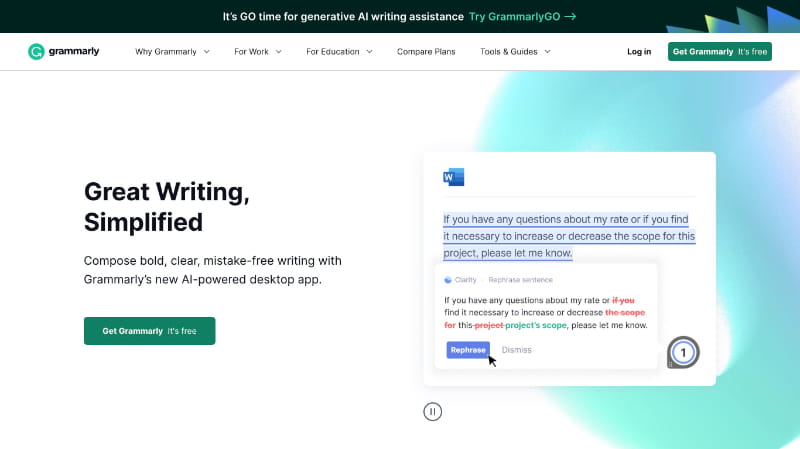
Best For: Grammar correction and AI-powered rephrasing
In 2025, GrammarlyGO has evolved into more than just a grammar checker. It offers context-aware rewriting and even tone suggestions based on your audience.
How to Use:
- Install the browser extension or use the Grammarly web app.
- Activate “Rewrite for clarity” for more natural sentences.
- Use “Tone Detector” to match your blog’s personality.
It’s perfect for polishing AI-generated drafts before publication.
5. Frase.io

Best For: Research, content briefs, and SERP analysis
Frase is a hidden gem among AI tools for bloggers. It automatically creates content briefs by scanning top-ranking pages for your target keyword — saving hours of manual research.
How to Use:
- Enter your topic (e.g., “AI tools for content creators”).
- Let Frase build an outline and list related questions.
- Write directly inside Frase’s editor or export to your CMS.
Frase vs. SurferSEO
| Feature | Frase.io | SurferSEO |
|---|---|---|
| Research Automation | Excellent | Partial |
| Keyword Clustering | Advanced | Strong |
| Pricing | Moderate | Premium |
6. Writesonic
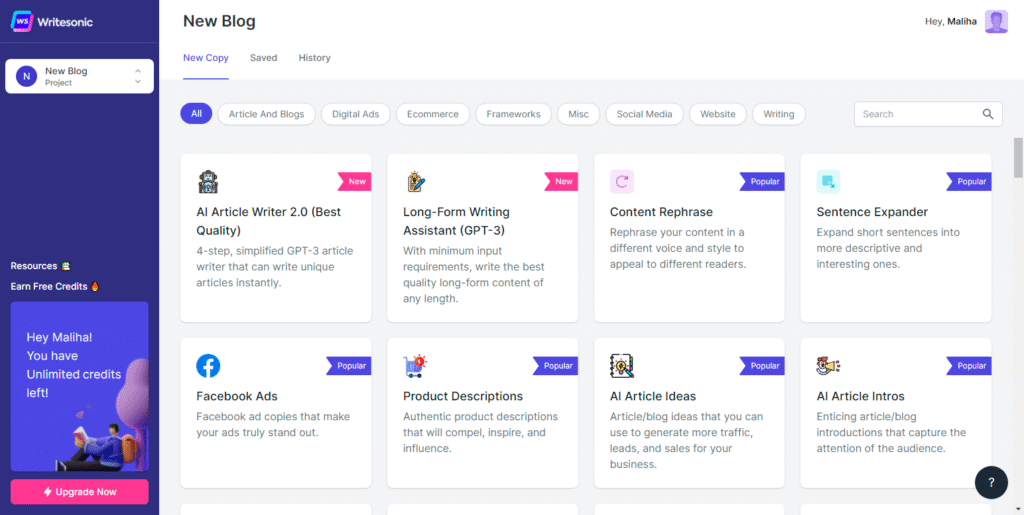
Best For: Multi-format content (blogs, ads, landing pages)
Writesonic’s 2025 version integrates AI image generation (via Photosonic) and SEO optimization tools, making it a one-stop shop for all your content needs.
How to Use:
- Generate full-length blog posts using the “Article Writer 6.0.”
- Choose your tone (informative, friendly, persuasive).
- Use Photosonic to add AI-generated visuals.
Pro Tip: Writesonic integrates directly with WordPress, letting you publish instantly.
7. MarketMuse

Best For: Deep SEO content planning and topic authority
If your blogging goal is to dominate a niche (like travel, tech, or AI), MarketMuse is the tool to trust. It uses topic modeling to identify content gaps and suggests clusters to improve your domain authority.
How to Use:
- Analyze your website’s content inventory.
- Identify low-competition opportunities with high authority potential.
- Use MarketMuse’s “Optimize” feature for on-page enhancement.
8. Notion AI

Best For: Idea organization and editorial planning
Notion AI brings structure to creativity. Beyond writing assistance, it helps bloggers manage editorial calendars, brainstorm ideas, and summarize research.
How to Use:
- Create a “Blog Workflow” template.
- Use AI to summarize long reports or competitor posts.
- Collaborate with team members in real-time.
Perfect for content teams managing multiple projects.
9. Canva Magic Write & Magic Studio
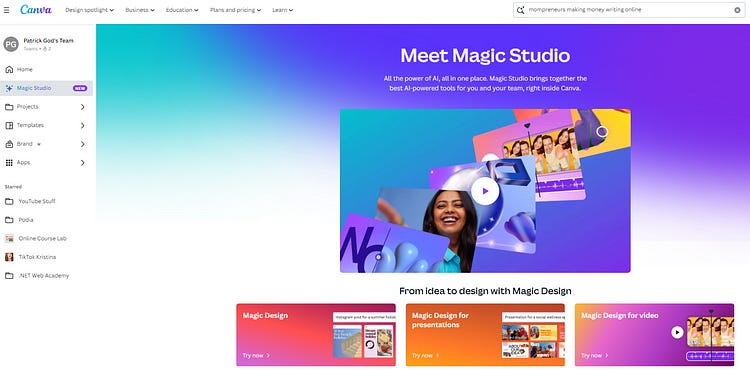
Best For: Visual content creation and image captions
In 2025, Canva has gone full AI with Magic Studio, which includes Magic Write (text generation) and Magic Edit (image transformation). Bloggers can now design featured images, infographics, and carousels effortlessly.
How to Use:
- Use Magic Write to generate captions or short blog summaries.
- Apply Magic Edit to design Pinterest or Instagram visuals.
- Download optimized images for WordPress or Medium posts.
Visual Tip: Add branded elements to every image to build recognition.
10. QuillBot AI
Best For: Paraphrasing and improving readability
QuillBot has become a favorite tool among bloggers who want clean, concise, and human-sounding text. The 2025 update features advanced tone detection and citation generation.
How to Use:
- Paste sections of your draft to improve flow.
- Use “Fluency Mode” for natural phrasing.
- Try the “Summarizer” tool for quick content overviews.
It’s perfect for revising AI-written text or repurposing existing articles



Pingback: OpenAI DevDay 2025 : GPT-5, AgentKit & The Future of AI Apps
Pingback: ChatGPT as the Everything App: Text,AI & Future Communication
Pingback: Sora 2 — The Next Generation of AI Video Creation Is Here